Eat Better Without Obsessing: A Simple Nutrition Guide for People Over 50
People overcomplicate nutrition.
Keto. Carnivore. Vegan.
One meal a day. Intermittent fasting.
The list never ends.
Social media influencers make it sound like you need a PhD in biochemistry just to eat lunch.
The vinegar hack. Oat milk fear. Seed oil obsession. Cellular detoxing.
Vegan vs. carnivore.
Clean keto vs. dirty keto.
Biohackers vs intuitive eaters.
I could go on. And I’m not even including supplements.
The fact is that there are camps, tribes, and fanatics.
And there are those who absolutely positively confuse the hell out of everyone!
It’s exhausting.
Here's the truth: You don't need to track every gram of food to eat well.
And you don’t need to obsess about food. In fact, I would call that very practice unhealthy. (Look up orthorexia.)
What you need is a simple system. A few good habits. And the patience to let them compound over time.
You’ve probably heard that you win or lose your fitness battle in the kitchen, not the gym.
You can train perfectly and still feel tired, carry extra weight, and struggle to build muscle if your nutrition is a hot mess.
But you don't need to obsess.
You don't need an app logging every single bite.
You don't need perfection.
Now, I’m not saying there is zero validity to the voices of the camps above, but I am saying some of these voices are confusing the average person.
To be 100% honest, I geek out on this stuff.
But instead of passing this “food confusion” on to my clients, I tell them this:
“You need consistency with the basics.”
Let’s Talk about Habits
Back in the day, I was overweight, dealing with constant back pain, and doing a whole lot of “thinking about” exercising instead of actually doing it.
Same thing with food. I knew what I should eat, I just wasn’t doing it.
The real problem? I had no system.
I was running entirely on autopilot.
That’s when I shifted my approach.
James Clear says it best in Atomic Habits:
“You do not rise to the level of your goals. You fall to the level of your systems.”
Nutrition isn’t about willpower.
It’s about building systems that make good choices automatic.
Here’s how this actually plays out in real life.
You walk into your kitchen. Your habits respond to cues in your environment.
If the first thing you see is a bag of Doritos, your brain lights up like a Christmas tree.
Salt. Fat. Crunch. Dopamine. Next thing you know, you’re elbow-deep in the bag wondering how that happened.
YIKES!
That little dopamine hit feels good for about 90 seconds… and then you want more. That’s the loop. And it’s not exactly helping fat loss or energy levels.
So instead of trying to “be stronger,” you change the environment.
Make the cue invisible.
Hide the chips. Or better yet, don’t buy them.
Put a bowl of fruit on the counter. Stock the fridge with Greek yogurt.
When the easy choice becomes the better choice, you stop relying on willpower, and things finally start sticking.
Meaning that your goal isn't to white-knuckle your way through a restrictive diet.
The goal is to build habits so strong that eating well is something you can’t not do!
A few super simple examples:
You train at the same time, on the same days, every week. It becomes automatic.
You eat protein-first meals. You make it a thing you just do.
That is the power of habit!
Now, let's get into the specifics.
Foods to Avoid
1. Steer Clear of Heavily Processed Junk
If it comes in a box with 15 ingredients you can’t pronounce, it’s probably not doing you any favors.
These foods are low in nutrients, high in calories, and engineered to make you want more… even when you’re not hungry.
They spike your blood sugar, crash your energy, and leave you rooting around the pantry an hour later wondering what went wrong.
Trust me, I’ve been there. Cheez-Its. Doritos. Potato chips. Ice cream. Snickers. I rotated through all of them.
Your new habit:
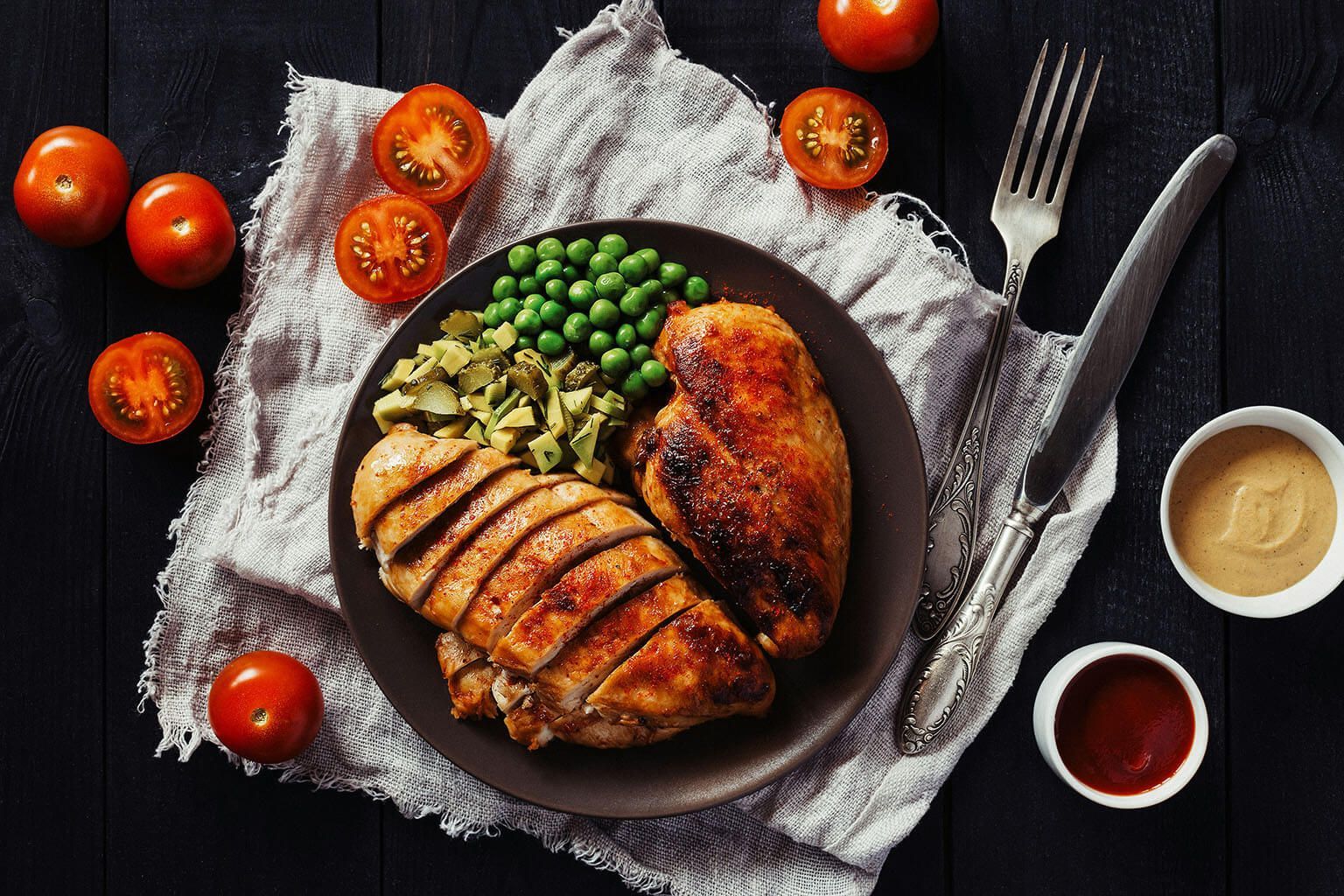
Shop the perimeter of the grocery store. Meat, eggs, dairy, vegetables, fruit. Real food.
You don’t need obsess and this isn’t about perfection. If 80% of your meals come from whole foods, you’re winning. That’s the magic number.
Walking past Hot Pockets to grab chicken and potatoes doesn’t make you boring, it makes you consistent.
And if you’re not ready to quit junk entirely? Fine. Build a bridge habit.
Instead of ice cream, I grab Greek yogurt, frozen blueberries, and chocolate-flavored whey protein. (This is my go-to “dessert.”)
I know… it’s not Breyers, but it’s close enough that it scratches the itch and doesn’t derail my week.
2. Don’t snack
Most snacking isn’t hunger. It’s boredom. Or stress. Or procrastination with crumbs.
I still catch myself doing this sometimes.
The problem with snacking is that it keeps insulin elevated, makes fat loss harder, and sneaks in hundreds of “invisible” calories that don’t even make you feel satisfied.
Your new habit:
Eat 2–3 solid meals per day, protein-first, paired with high-satiety foods like potatoes, beans, or vegetables.
If you’re hungry between meals, one of two things is happening:
Your meals aren’t big enough.
Or they don’t have enough protein.
So when you hear the Cheez-Its whispering your name from the pantry (and seriously, why are they still there?), ask yourself…
“Am I actually hungry… or just bored?”
Here’s a simple test:
If you’re not hungry enough to eat a chicken breast, you’re not hungry. You’re just looking for stimulation.
Drink water. Take a short walk. Wait 20 minutes.
Nine times out of ten, the craving passes.
3. Don't Drink Your Calories
Liquid calories are sneaky.
A 12 oz beer? About 150 calories.
A glass of wine? Roughly the same.
That caramel latte with whipped cream? Might as well be a bowl of ice cream.
A “healthy” fruit smoothie? Sometimes 400–600 calories… and you’re hungry again an hour later.
These drinks give you a quick dopamine hit (that feel-good buzz)… and then nothing.
No fullness. No staying power.
Your new habit:
Drink water (about 1/2 to 1 gallon per day), black coffee, or unsweetened tea.
Save alcohol for special occasions. Skip the daily smoothie.
Breaking the liquid-calorie habit alone can move the needle more than almost anything else.
What TO DO:
1. Chase Protein
Think of protein as your foundation. It builds muscle, keeps you full, and has the highest thermic effect (your body burns calories just digesting it).
Your new habit:
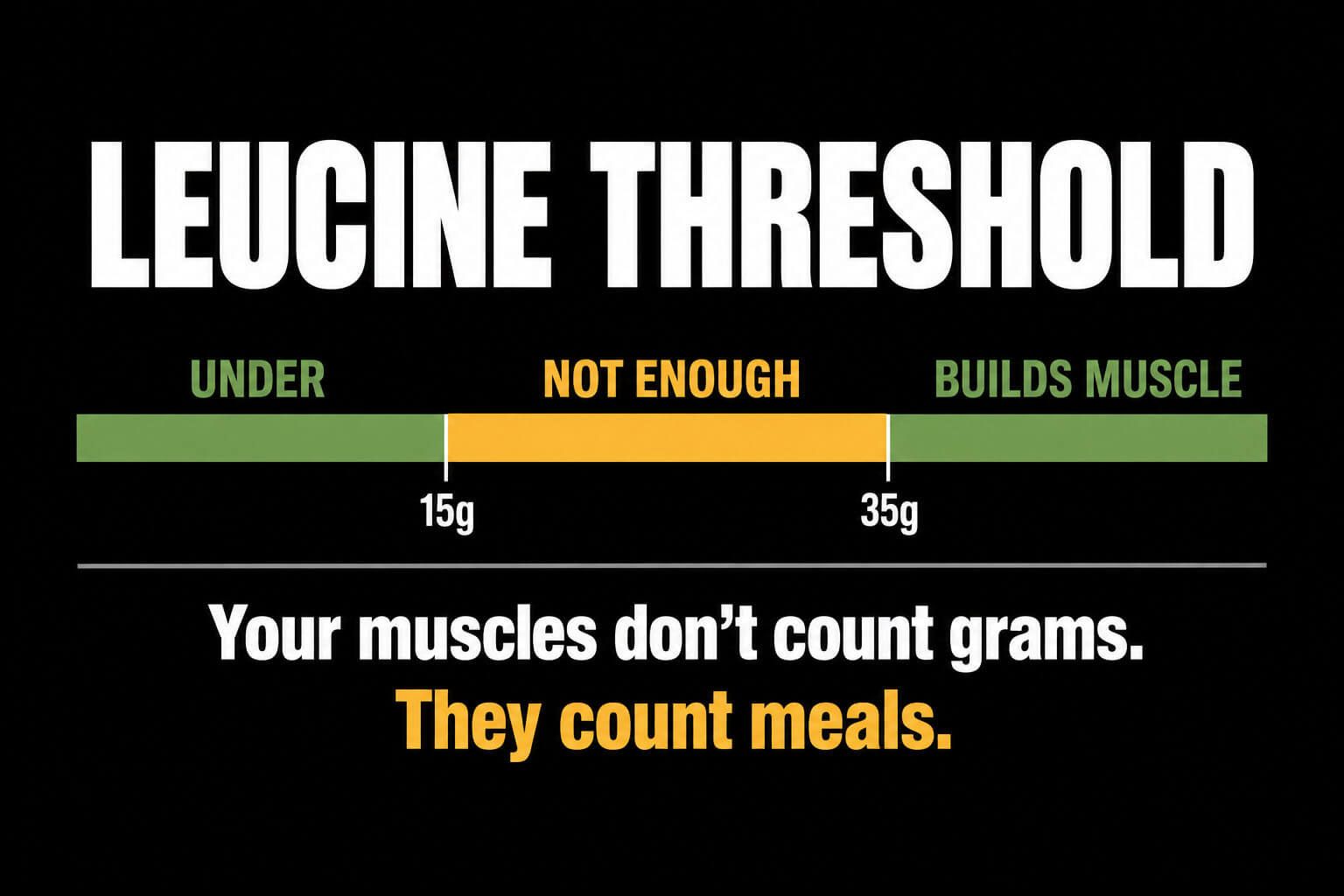
Eat 30-40 grams of protein at every meal. That's a palm-sized portion of meat or fish, or a cup of greek yogurt with some protein powder.
Maybe your breakfast used to be cereal and orange juice which is roughly 10g protein, 400-ish calories, and your hungry in an hour.
Now it's 3 eggs, turkey sausage, and a piece of fruit which is close to 35g protein, 400 calories, and you stay full longer.
Your creating a new routine. You're satisfied. You're building muscle. You’re feeling better.
2. Chase Fruit and Vegetables
Fruit and vegetables are low-calorie, nutrient-dense, and incredibly filling. They work because of fiber, which slows digestion, keeps blood sugar stable, improves gut health, and helps you feel full without overeating.
They’re also the easiest “upgrade” you can make.
Your new habit:
Eat vegetables at lunch and dinner.
Buy a big bag of frozen blueberries and add them to your yogurt and protein mix.
Snack on fruit instead of crackers.
If dinner is grilled chicken, don’t stop at rice, add roasted cauliflower or a side salad.
The payoff is simple:
You eat more food, for fewer calories, and you stay full longer. More volume, more nutrients, less mindless eating.
3. Chase Satiety (Fullness)
Satiety is that sweet spot where you feel satisfied. Not stuffed, not searching for snacks.
If you’re never full, you’ll always be thinking about food.
Your new habit:
Build meals around protein, fiber, and healthy fats.
Lunch used to be a sandwich and chips. Easy, quick, followed by a 3 p.m. energy crash and a desperate need for coffee.
Now it’s something like steak and black beans with sautéed peppers and olive oil.
Or eggs with roasted potatoes and vegetables.
Real food. High protein. High fiber. Sticks with you.
Result?
You’re not staring at the clock waiting for your next snack. Food stops running your afternoon.
4. Eat Slow. Chew. Chew. Chew.
It takes 20 minutes for your brain to register that you're full. If you inhale your food in 5 minutes, you'll overeat before you realize you're satisfied.
Your new habit:
Don’t eat like a dog! Put your fork down between bites. Chew thoroughly. Pay attention to what you're eating.
You used to eat dinner while scrolling social media, mindlessly shoveling food while doomscrolling. (Been there!)
Now you sit at the table, no distractions, and actually taste your food. You eat slower. You stop when you're 80% full, not stuffed.
This is how your eat less, enjoy it more, and digest better.
You don't need to track macros to eat well.
You need good habits.
Avoid:
- Heavily processed foods
- Snacking
- Drinking your calories (especially alcohol)
Do:
- Chase protein (30-40g per meal)
- Chase vegetables (at every lunch and dinner)
- Chase satiety (eat until satisfied, not stuffed)
- Eat slow, chew, be mindful
These aren't rules. They're systems.
You won’t do them perfectly every day, and you don’t need to.
The goal isn’t perfection. It’s consistency.
If you follow these principles 80% of the time, your body will change.
Your energy improves. Your strength goes up.
And none of it requires tracking apps, food scales, or obsessing over every bite.
Start small. Build momentum.
You’re not “on a diet.” You’re becoming someone who eats well, most of the time, with an I’m not quitting mindset.
That steadiness?
That’s what actually changes everything.
Build the habits. Trust the process. Let the results follow.
Want help building a personalized plan that fits your life? Take my free 2-minute assessment