Do You Need to Lift Heavy to Build Muscle After 50?

No. You do not need to lift heavy to build muscle after 50.
What matters more is taking each set close to failure, training with consistency, and eating enough protein.
You've probably heard it a thousand times: "Lift heavy or go home."
The gym culture worships maxing out. Gym bros love adding another plate to the bar. And doing 3-5 reps works best for building strength, while lifting eight to 10 times builds muscle.
And if you're over 50, you might be wondering if you're even capable of building real muscle anymore, especially if heavy lifting makes you pause.
Here's the truth: You don't need to lift heavy to build muscle.
And you can build muscle. But you do need to work hard.
Research from Dr. Stuart Phillips changed how we think about building muscle, and it's good news for anyone over 50 who wants to get stronger without destroying their joints in the process.
His research demonstrates that lifting lighter weights to the point of fatigue builds just as much muscle as lifting heavy.
THIS is how someone 50+ builds their Armor without paying for it later.
So, What Did They Find?
Phillips' research proves light weights build muscle.
If you push to fatigue, 20–30 reps are as effective as heavy short reps.
In a nutshell: the weight on the bar didn't matter. Effort did.
Dr. Rhonda Patrick breaks this down beautifully on the Modern Wisdom podcast.
She explains how Phillips' earlier work showed this same pattern in untrained men, and then Brad Schoenfeld followed up and confirmed it in trained lifters.
As Dr. Patrick puts it: "The key is effort. You have to put in enough; you have to be fatigued."
Me? I vary my reps, but am often somewhere in the 15-30 rep range.
What Is Muscle Protein Synthesis? (The Science in Plain English)
Let's geek out for just a second, then I'll translate.
Muscle protein synthesis (MPS) is the scientific term for your body building new muscle protein after you train.
Here's how it works:
- You lift weights (heavy or light) and create "Mechanical Tension." This is the primary signal for growth.
- Your muscle sensors sound the alarm: They detect this tension and tell your DNA, “We need more strength here; build more armor!”
- Your body uses protein from your diet to build new, thicker muscle fibers in response to that tension signal.
- Your muscles rebuild stronger than before.
This process stays elevated for 24-48 hours after training. That's why eating enough protein consistently matters. Your body is in repair and rebuild mode for two days.
And back to our main topic: Your body doesn't care whether you used 200 pounds or 40 pounds to create that tension signal.
It only cares that you stressed the muscle enough to trigger the repair response.
As long as you push to fatigue, your muscles will grow—regardless of the load.
If you want a science lesson, watch this: How to Build Muscle | Dr. Andy Galpin & Dr. Andrew Huberman.
What This Means for You
The Good News:
- You can build muscle with lighter weights (dumbbells, kettlebells, resistance bands)
- Less stress on your joints means faster recovery
- Lower risk of injury from maximal loads
- Less intimidating for beginners who are nervous about heavy barbells
The Catch:
- You have to push to real fatigue… not just "this is hard," but "I cannot do another rep with good form." You want to be close to failure. But master the movement before you master the intensity. If you are just starting, ignore the "fatigue" rule for the first two weeks. Get the form right first, then you can turn up the heat.
- Lighter weights mean longer sets (20-25 reps vs. 8-12), so your sessions might take a bit longer.
- You still need to progressively challenge yourself over time.
The Tradeoff:
Lighter weights require more volume (more reps, more sets) to reach fatigue. That means:
- Longer training sessions
- Potentially more time to recover if you overdo the volume
- You'll feel it differently, meaning more of a "burn" than the heavy, grinding effort of lifting heavy.
But for most people over 50, this is a fair trade.
Your joints stay healthier.
Your recovery is faster.
And you're building the same muscle.
How to Apply This in Your Training
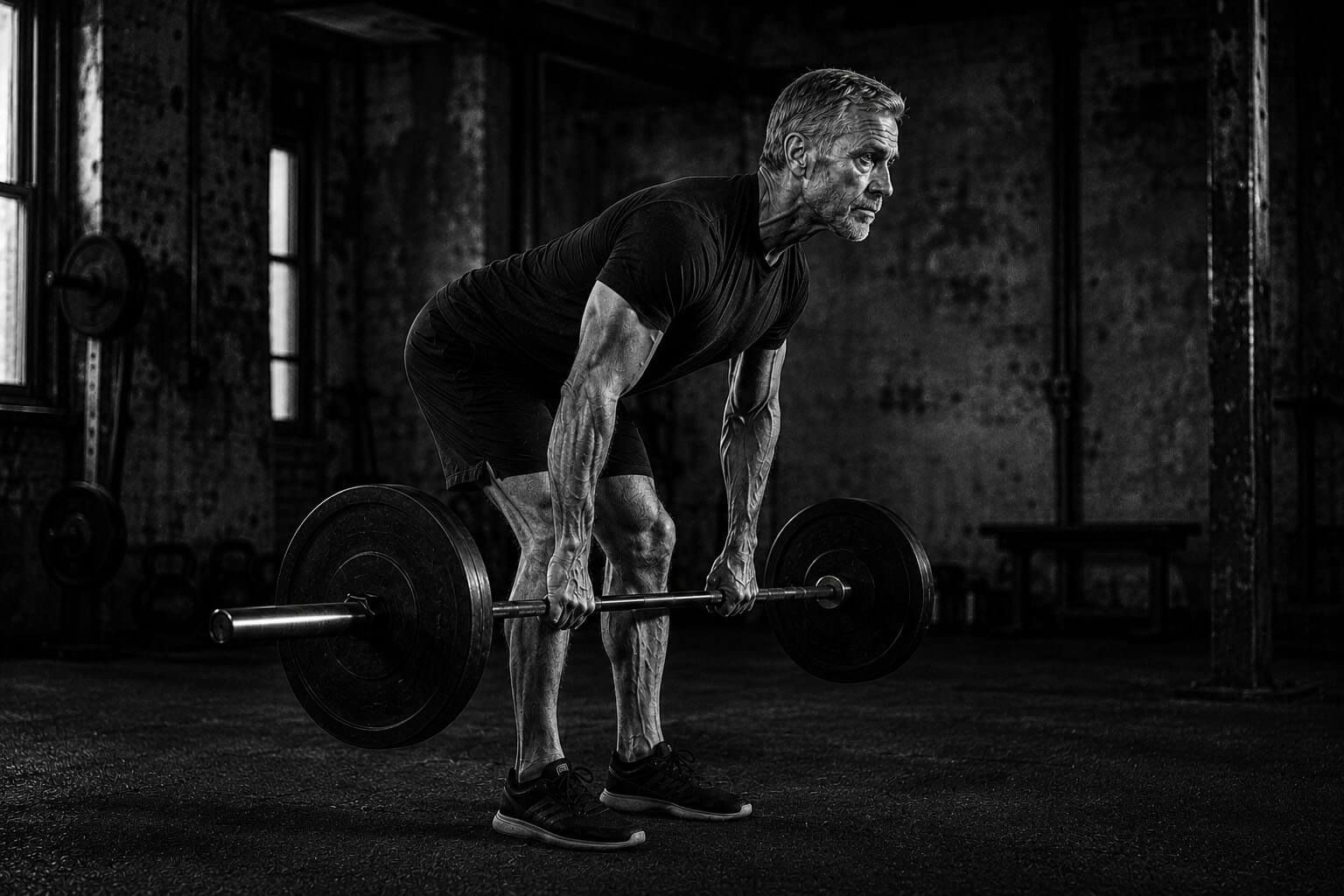
At 62, I mix heavy and light training depending on how my body feels that day. Some days I deadlift heavy. Other days, I use lighter kettlebells for higher reps.
Both work, as long as I push myself.
Example:
Instead of a 160-pound deadlift for 8 reps, try a 60-pound kettlebell for 20-30 reps, and push every set to fatigue.
Instead of heavy barbell squats, try goblet squats with a 40-pound dumbbell for 25 reps.
Remember: "The key is effort. You have to put in enough; you have to be fatigued." Learn more about how to start lifting weights if you're over 50.
Effort beats ego every time.
How to Know You're at Real Fatigue
This is critical. "Going to fatigue" doesn't mean "this feels kind of hard." It means:
- Loss of Control: You cannot complete another rep with perfect form.
- Involuntary Slowing: The weight slows down despite your best effort. This "struggle" is peak mechanical tension.
- The Burn: The muscle feels fully engaged or "on fire," signaling maximum effort.
- Recovery Needed: You need 1–3 minutes of rest before you’re ready to go again.
If you're stopping at 20 reps because you decided that's the number, but you could've done 5 more with good form, you didn't reach fatigue.
Push harder next time.
Want the full picture? Here's exactly how to build muscle after 50.
What Jeff Cavaliere of Athlean-X Adds to This
Jeff breaks it down simply: muscle growth comes from tension, not just load.
Heavy weight creates tension through sheer load. Lighter weight creates tension through effort and pushing to true failure. Same result. Different path.
For lifters over 50, here's his rough training breakdown:
- 50% moderate rep ranges
- 40% lighter weight, higher reps
- 10% heavy
But here's the catch... with lighter weight, most people quit too early.
When the burn starts? That's not your signal to stop. That's your signal to keep going. The most productive reps happen right there in that uncomfortable place.
Learn to live in it.
Why This Matters After 50
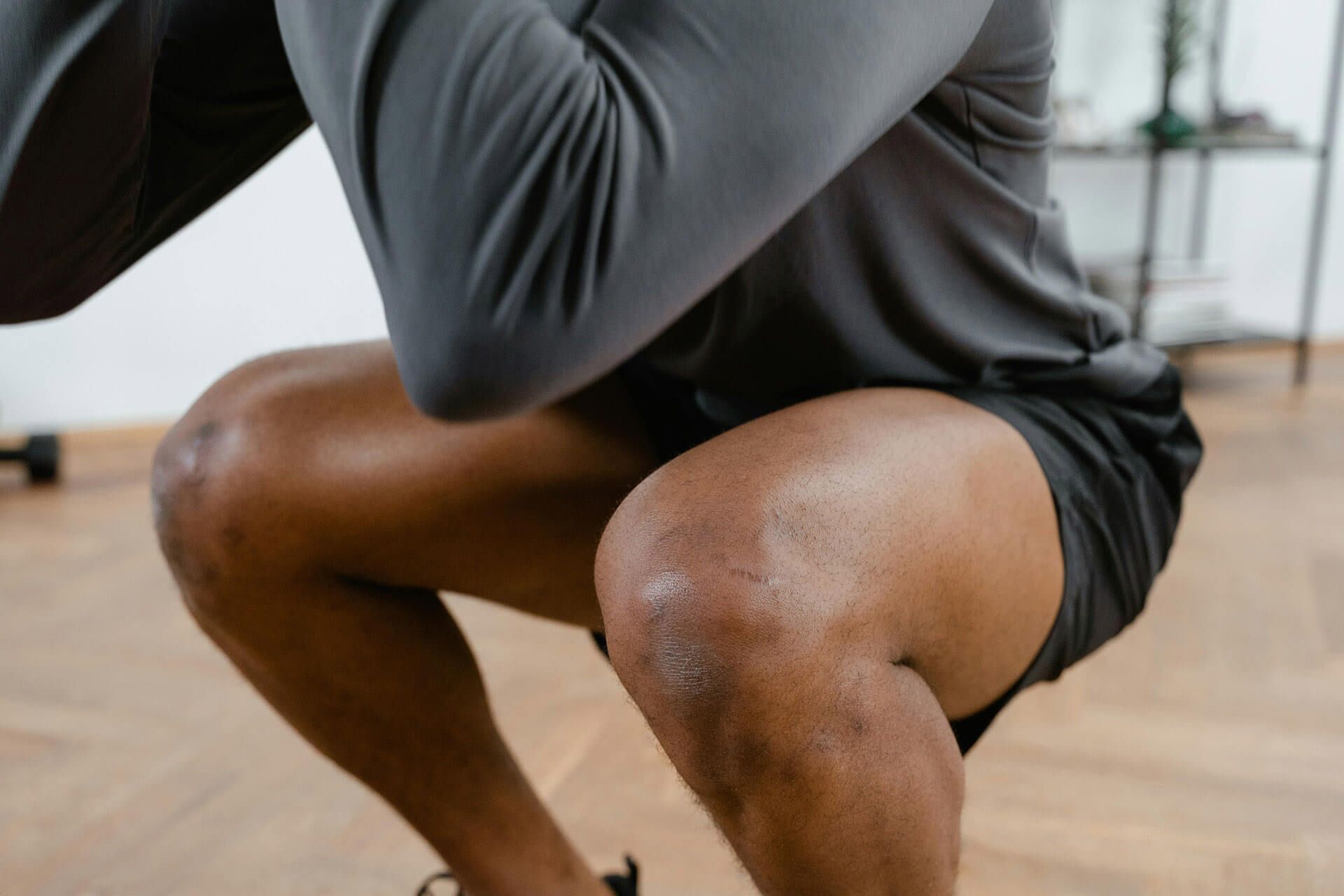
Joint Health: Lighter loads mean less compression and force on your knees, hips, and spine. You can train hard without paying for it three days later.
Safety: Lower risk of injury. If you can't complete a rep with 40 pounds, you put it down. If you can't complete a rep with 200 pounds, you might be in trouble.
Psychology: Walking into a gym and knowing you can build muscle with dumbbells is way less intimidating than feeling like you need to load up a barbell to make progress.
Longevity: Sustainable strength training over decades beats heroic efforts that leave you broken and sidelined. The best program is the one you can do consistently for years.
Recovery: Your body doesn't bounce back as it did at 25. Lighter loads with high effort let you train frequently without overtaxing your nervous system or joints.
This is the antidote to the "no pain, no gain" nonsense that dominates mainstream fitness culture. You don't need to punish yourself. You need to challenge yourself intelligently.
The Bottom Line
You don't need to impress anyone at the gym.
You don't need to load up the bar with plates you can barely control.
You don't need to sacrifice your joints on the altar of ego.
You need to show up. Work hard. Push to fatigue. And build the strength that keeps you independent, active, and strong for decades to come.
Whether you're deadlifting 200 pounds or 60 pounds, if you're training to fatigue with good form, your muscles don't know the difference.
They just know you showed up and did the work.
That's what matters.
Want help designing a strength program that builds muscle without beating up your joints?
Take my free 2-minute assessment to discover your 50+ fitness type and get a personalized plan.
Related Reading and References:
- The One Lift That Keeps You Strong After 50: The Deadlift Guide
- Why Resistance Training and Protein Are Your Best Defense Against Aging
- Dr. Gabrielle Lyon on Muscle as the Organ of Longevity
- Dr. Rhonda Patrick's X Post on the Study
- Modern Wisdom Podcast with Dr. Rhonda Patrick
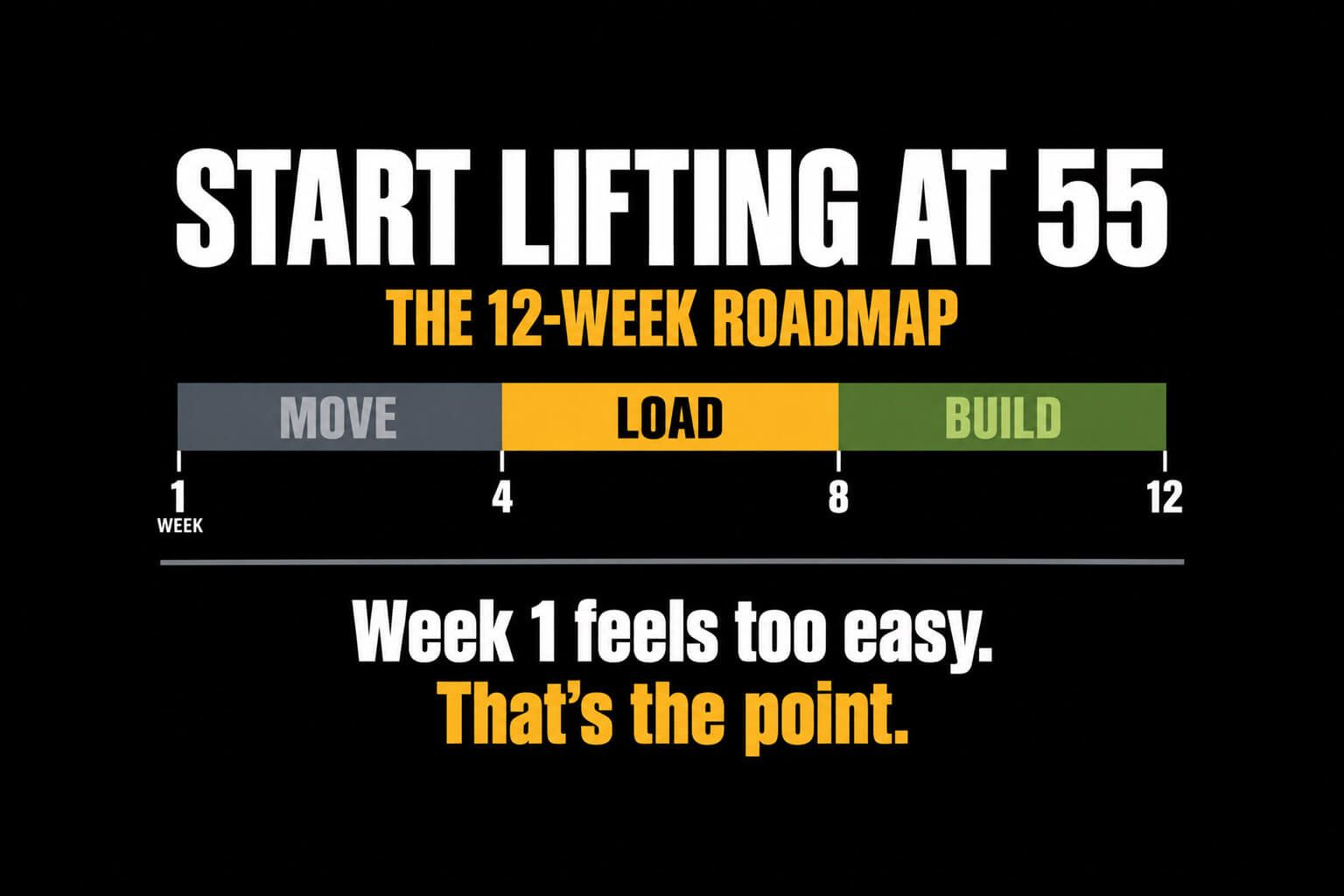
- How to Start Lifting Weights at 55: 12-Week Beginner Roadmap
Disclaimer: The information provided is for educational purposes only and does not constitute medical advice. Always consult with a healthcare professional or doctor before starting a new exercise program, especially if you have pre-existing conditions or injuries. Use proper form and listen to your body to ensure safety.